In early 2002, I began a reading log. I set a goal to read 100 books in a year. At that time, I was a young teenager and recently took up reading as an outlet. Needless to say I was reading short YA novels that were about 200 pages and fairly easy to read. I recorded the title, author, number of pages, and the date completed (see below). I was and am anal retentive so I always used gel pens (they were “in” back then) in a color coded fashion (again, see below).

Color coded reading log of novels read.
Now, I’ve kept this log up to date until this very day. It traveled with me when I moved cross country and it’s been a real treat to go back once a year or so and look at all of the books I have read (whether over the past year or since the first log). In looking back, it’s really been exciting to see how my choice in novels has evolved. I used to read such authors as Lloyd Alexander, Roald Dahl, Susan Cooper, and Madeline L’Engle. I loved series. It’s funny to look back and see all of the books in a series read within a span of a month. Back then I loved science fiction, yet fairly simple books. If I found an author I liked, I stuck with him/her and read all (or most of their works). Supposedly, this is what my mom used to do as well.
Fastforward to nowadays and I read all kinds of genres. There was a period of time where I read all classics (a later post will be about this challenge) where I read anything from Tolstoy to Austen. My current book obsession is actually a bit eclectic. I sometimes read a YA book, or switch it up to a classic author, or pick up something that I read as a review in the New Yorker. I don’t have any goals, just choose books that I believe I should read.
While keeping a log, my aunt joined a classic book club and we have had some great conversations comparing what I have read to what she has read through the club. Ironically, there was a time where we were both read Wilkie Collins “Moonstone”. A great mystery thriller, a bit long, but if you stumble across it pick it up! Anyway, it was great to find a similarity between the two of us. A few months ago she gifted me a reading log book (see below).
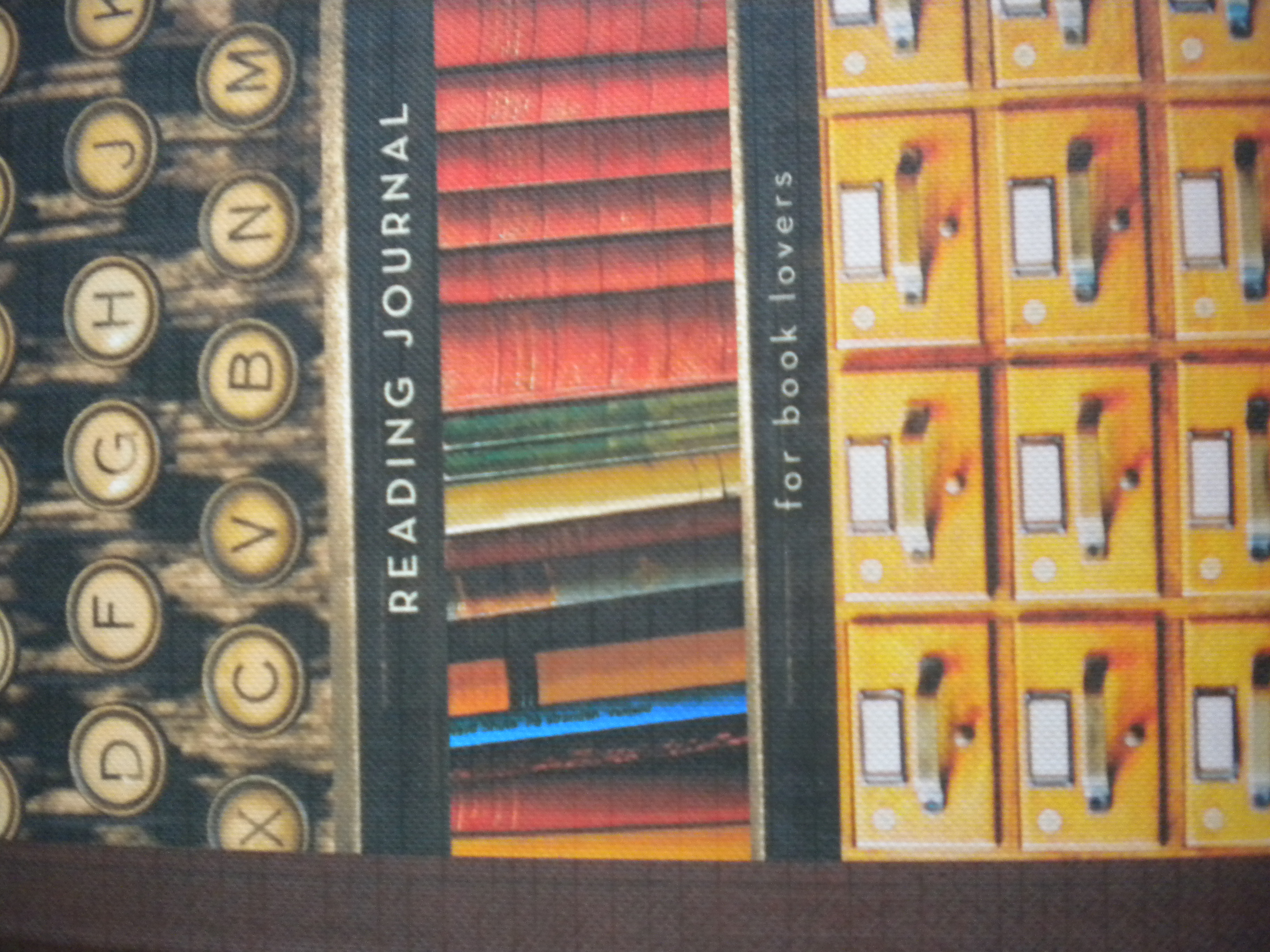
Cover of the Reading Log

An inside look at what each log looks like.
I honestly cannot think of a greater idea to make! My one regret on creating my own book log was I never thought about keeping a record about how I liked the book (mentally, I can remember if I hated it or loved it, but more specifics would have been lovely to keep record of) and what the general plot was. There was a time where I was working part time and had a few side tutoring jobs, but I generally had a ton of time to read. I read so much that there were many books that I forgot the general plot of.
My log is great for just recording what books I have read so that if I want to purchase one from an author I enjoy reading, I make sure I haven’t already read it (this has happened to me with Nora Roberts because she has published so many). I really like the idea of the stars system in this log. Similar to that of Netflix, one can determine what kind of novel deserves how many stars.
I want to end this blog on a sort of philosophical note. Keeping records is important, especially if they are in your own hand. Recording things in a technological manner is NOT the same as writing down your thoughts and feelings, especially when it comes to reading literature. So, don’t create a reading log on Microsoft Excel, but I am also not saying to go buy one of these pre-set reading logs. Developing your own record as to what you think are important themes that you want to remember when looking back at all of the works that you have read is key. Back in the day, I prided myself on how many pages I finished in a novel (my logic was: the larger the novel, the more accomplished); however, now I wish I just said if I liked the piece and why. Who cares about quantity of pages, I want quality now. That’s an example of how one’s reading evolves over time. So to track that evolution, invest in a reading log. Take the time after a 500 page work to say yay or nay and why. I’m glad I have done it, so you should begin one as well.
 QuizzChem